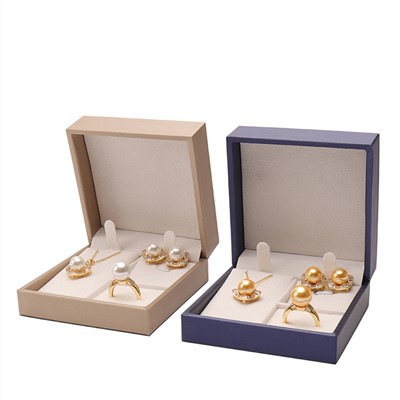
Hey there! I'm a supplier of paper box packages, and I've been in this game for quite a while. Over the years, I've learned a thing or two about how to design an attractive paper box package. In this blog post, I'm gonna share some of my tips and tricks with you.
Understand Your Product
First things first, you gotta understand the product that the paper box is gonna hold. Is it a high - end luxury item like an eyeshadow palette? Or maybe it's a sweet treat, like candy. Different products have different needs and target audiences.
For example, if you're packaging a Paper Eyeshadow Box With Mirror, you're likely targeting makeup enthusiasts. They'll appreciate a design that shows off the eyeshadow colors, is easy to open, and maybe even has a bit of elegance. The mirror in the box adds a practical and luxurious touch, so your design should highlight this feature.
On the other hand, if it's a Magnetic Paper Candy Packaging Box, the target audience could be kids or people with a sweet tooth. The box should look fun, colorful, and maybe even a bit whimsical. The magnetic closure can be emphasized to show that it's a unique and secure way to keep the candies inside.
Know Your Target Audience
Once you know the product, you need to know who you're selling it to. What are their preferences, ages, and lifestyles? If your target audience is young adults, they might like modern, minimalist designs with bold colors. Older customers might prefer more classic and elegant looks.
For instance, a High - end Paper Eyeshadow Box aimed at high - end makeup consumers will need a design that exudes luxury. Think gold accents, high - quality paper, and a sophisticated color scheme like black and silver. You want the box to make the customer feel like they're getting something special.
Choose the Right Materials
The choice of materials can make or break the attractiveness of your paper box. There are different types of paperboard, each with its own characteristics.
- Kraft paper: It's a popular choice because it's eco - friendly and has a natural, rustic look. It's great for packaging products that are marketed as sustainable or artisanal.
- Coated paperboard: This type of paper has a smooth, shiny surface that can make colors look more vibrant. It's often used for high - end products because it gives a more polished appearance.
You also need to consider the thickness of the paperboard. Thicker paperboard provides more protection for the product inside and gives a sturdier feel to the box. But it can also be more expensive. So, you gotta find a balance between cost and quality.
Design the Shape and Structure
The shape of the paper box can be a major selling point. While the traditional rectangular box is always a safe choice, you can also get creative with other shapes.
- Round boxes: They can give a unique and eye - catching look, especially for products like chocolates or small trinkets.
- Folding boxes: These are great for saving space during shipping and storage. You can design them in interesting folding patterns to make the unboxing experience more fun.
The structure of the box also matters. For example, a magnetic closure can add a touch of luxury and make the box easier to open and close. A window cut - out can let the customer see the product inside, which is especially useful for products like cosmetics or food.
Color and Graphics
Color is one of the most powerful tools in your design arsenal. Different colors evoke different emotions.
- Red: It's associated with passion, energy, and excitement. It can be a great choice for products that are meant to stand out.
- Blue: This color is often linked to trust, reliability, and calmness. It's a good option for products that are high - tech or health - related.
- Pink: Pink is commonly associated with femininity, love, and sweetness. It's perfect for products aimed at a female audience, like makeup or lingerie.
Graphics can include images, illustrations, or text. Make sure the graphics are relevant to the product and the target audience. For example, if you're packaging a kids' candy, you might use cartoon characters or bright, fun illustrations.
Branding
Your paper box is an extension of your brand. So, make sure to include your brand logo, colors, and any other brand - specific elements in the design. This helps to build brand recognition and loyalty.
The logo should be prominently placed on the box, but not so big that it overwhelms the rest of the design. You can also use brand colors in the color scheme of the box to make it instantly recognizable.
Unboxing Experience
The unboxing experience is becoming more and more important these days. People love to share their unboxing videos on social media, so you want your box to be Instagram - worthy.
You can add little touches like tissue paper, a thank - you note, or a small sample of another product. These extra elements can make the customer feel special and more likely to recommend your product to others.
Cost - effectiveness
While you want to create an attractive paper box, you also need to keep costs in mind. There are ways to achieve a high - end look without breaking the bank.
For example, you can use less expensive materials but make up for it with a great design. Or, you can choose a simple shape that doesn't require a lot of additional manufacturing steps.
Conclusion
Designing an attractive paper box package is a combination of understanding your product, knowing your target audience, choosing the right materials, and getting creative with color, graphics, and structure. By following these tips, you can create a paper box that not only looks great but also helps to sell your product.
If you're interested in working with us to design the perfect paper box package for your product, don't hesitate to reach out. We're here to help you turn your ideas into reality.


References
- Packaging Design: The Definitive Guide, Tricia Helfer
- The Psychology of Color in Marketing, John J. Medina