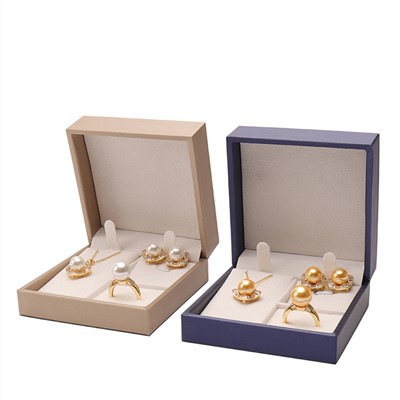
What is the traditional way to wrap a jewelry box? As a seasoned Jewelry Box Wrapping supplier, I've had the privilege of witnessing the evolution of jewelry box packaging over the years. In this blog post, I'll delve into the traditional methods of wrapping jewelry boxes, exploring the techniques, materials, and cultural significance behind these age - old practices.
Historical Background
The tradition of wrapping jewelry boxes dates back centuries. In ancient times, jewelry was not only a symbol of wealth but also held religious and cultural significance. Egyptians, for example, used papyrus and linen to wrap precious amulets and jewelry. These materials were not only readily available but also provided a certain level of protection. As time passed, different cultures developed their own unique ways of wrapping jewelry, each with its own set of customs and meanings.
Traditional Materials
Silk and Velvet
Silk and velvet have long been the materials of choice for wrapping jewelry boxes. Silk, with its smooth texture and luxurious sheen, adds an air of elegance to any jewelry presentation. It is often used as an inner lining, gently cradling the precious pieces inside. Velvet, on the other hand, is known for its softness and ability to prevent scratches. A velvet - wrapped jewelry box gives a sense of opulence and is perfect for high - end jewelry.
Paper and Cardboard
Traditional paper and cardboard are also widely used in jewelry box wrapping. Origami paper, with its vibrant colors and patterns, can be folded into intricate designs to create a unique and eye - catching exterior. Cardboard, when properly decorated, can provide a sturdy and cost - effective solution. For example, in Japan, washi paper is often used to wrap jewelry boxes, adding a touch of cultural authenticity.
Ribbons and Bows
No jewelry box wrapping is complete without ribbons and bows. They are the finishing touch that adds a sense of celebration and charm. Satin ribbons are a popular choice due to their smoothness and shine. Different colors of ribbons can convey different meanings. For instance, red is often associated with love and good fortune, making it a popular choice for Valentine's Day or wedding jewelry.
Traditional Wrapping Techniques
Folding
Folding is one of the most basic yet effective wrapping techniques. The paper or fabric is carefully folded around the jewelry box, creating clean edges and a neat appearance. In some cultures, specific folding patterns are used to represent good luck or prosperity. For example, the Chinese art of paper folding, or zhezhi, has been adapted for jewelry box wrapping to create beautiful and symbolic designs.
Tying
Tying ribbons around the jewelry box is a classic technique. A simple bow can transform a plain box into a stunning gift. There are various types of bows, such as the single bow, double bow, and the more elaborate cascade bow. The way the ribbon is tied can also vary, with some techniques emphasizing symmetry while others create a more relaxed and organic look.
Embellishment
Embellishment is another important aspect of traditional jewelry box wrapping. This can include adding beads, sequins, or embroidery to the wrapping material. In India, for example, jewelry boxes are often adorned with intricate gold or silver threadwork, making them a work of art in themselves.
Cultural Significance
In many cultures, the way a jewelry box is wrapped is as important as the jewelry inside. In Western cultures, a beautifully wrapped jewelry box is often associated with special occasions such as birthdays, anniversaries, and Christmas. It adds an element of surprise and anticipation.


In Asian cultures, jewelry is often given as a symbol of respect, love, or good wishes. The wrapping of the jewelry box reflects these sentiments. For example, in Korea, jewelry boxes are wrapped in hanji paper, which is made from natural fibers and represents purity and longevity.
Modern Adaptations
While traditional methods of wrapping jewelry boxes are still highly valued, modern technology and design have also influenced the way we package jewelry. Today, we see a combination of traditional and contemporary elements. For example, some jewelry boxes are now wrapped in high - tech materials that offer better protection and durability.
As a Jewelry Box Wrapping supplier, we offer a wide range of options to meet the diverse needs of our customers. Whether you're looking for a classic silk - wrapped box or a modern, eco - friendly option, we have something for you. Check out our Drawer Jewelry Box Packaging for a stylish and functional solution. Our High End Jewelry Packaging is perfect for luxury brands, while the Luxury Pink Gift Box With Windows adds a touch of femininity and elegance.
Conclusion
The traditional way to wrap a jewelry box is a rich and diverse practice that combines art, culture, and functionality. From the choice of materials to the wrapping techniques, every detail matters. As a Jewelry Box Wrapping supplier, we are committed to preserving these traditions while also embracing innovation.
If you're in the market for high - quality jewelry box wrapping solutions, we invite you to contact us for a procurement discussion. We can work together to create the perfect packaging for your precious jewelry.
References
- "The History of Jewelry Packaging" by Jewelry Packaging Institute
- "Cultural Significance of Jewelry Wrapping" in International Journal of Cultural Studies
- "Traditional Wrapping Techniques Around the World" by Wrapping Arts Magazine